 Intervou
An Intervou with Tracy Lamourie
Overview
About Tracy Lamourie
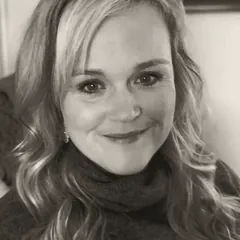
Tracy Lamourie is a high-profile international, multi-award-winning publicist and Founder of Lamourie Media Inc. She is regularly quoted in global media including BBC, Newsweek, CBC, The Globe and Mail, Daily Mail, and International Business Times. A Cannes-accredited publicist and producer, Tracy works across entertainment, business, and social impact, helping leaders build credibility, secure media, and land meaningful speaking engagements. She is the author of the forthcoming book GET REPPED.
In Conversation
Tracy's interview, in full
A lightly edited transcript of Tracy Lamourie's Intervou video interview.
What qualities do you believe define an effective modern leader?
Number one, like a lot of things in life, I think genuineness. People can tell immediately when leadership is performative, when it's not real, and I think credibility really comes from alignment between values, decisions, behaviors, what you're saying and what you're doing.
Also being strategic. Modern leaders really have to read context, timing and the downstream impact of what they're doing, not just execute the tasks that are put in front of them. So they need to care. They have to worry about caring without being soft. So empathy, clarity. People don't necessarily need to be rescued, but they need steadiness. They need direction.
Leaders need to be comfortable with scrutiny. Effective leaders don't suddenly collapse under visibility or under criticism. They stay regulated. They stay decisive. They stay clarity and boundary aware, knowing when to engage and when not to engage, knowing how to protect your energy, knowing how to remain accessible while still doing all the things that you need to do.
What strategic decision has had the biggest impact on your organization's success?
I would say developing a deep and working understanding of how newsrooms, real newsrooms, actually function, not how people just assume that they function. Learning what editors and producers really need under deadline pressure versus what clients just want to say, and combining that newsroom intelligence with a real ability to read people, their motivations, credibility gaps and power dynamics, and learning how to position clients and myself for actually earned trust in media.
So not hype, not exposure for its own sake, but really treating media not just as promotion, but as a trust ecosystem that actually rewards clarity, reliability, timing and being genuine.
What do you believe is the most misunderstood aspect of your industry by the public?
I think it's about making things up, but in reality effective public relations is really about understanding how media works, how narratives are formed, how trust is built and how trust is lost. Media does not exist to promote people. It's there to serve its own audiences. So when PR fails, it's usually because somebody tried to get past that reality instead of respecting that reality.
So good PR is about translation and positioning, not about manipulation. And that, I think, is something that people often get wrong.
Who has been the most influential mentor or role model for you and why?
Without doubt, my business consultant, Jane McCormick. She's been with us for years. She's a finance person, a consultant, a revenue expert, all kinds of different things. And she took me from being a freelancer, told me that I really was punching far above my weight and told me that I really needed to incorporate my business. And then we actually went from a general partnership to incorporation.
And very quickly after that, things just skyrocketed, to the point where if I had not incorporated it would have been a really bad situation. So she helped me professionalize the core of my business.
What excites you most about the future of your field or role?
Recently, in a massive way, I've moved beyond traditional publicity into actual cultural commentary and analysis on a global scale. I've been speaking more publicly in all kinds of tier one media about trust, about credibility, about visibility, about celebrity, about modern behavior, about fashion, about all kinds of different things. So using my cross industry vantage point to help audiences make sense of what they're seeing, not just consuming it.
I think it's really interesting, the shift from pure promotion to interpretation, helping explain why things land the way they do and being part of a broader conversation about legitimacy, authority and belief in 2026 and beyond. I think it's really interesting.
More Interviews