 Intervou
An Intervou with Bob McCoy
Overview
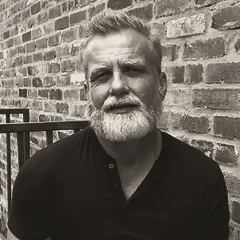
Introducing Bob McCoy
Bob McCoy is a veteran voice-over actor and media professional with decades of experience in radio and television production, radio hosting, podcasting and more.
In Conversation
Bob, in their own words
A lightly edited transcript of Bob McCoy's Intervou video interview.
What qualities do you believe define an effective modern leader?
I think to be an effective modern leader, you have to really understand the people who are doing what they do for you and really invest your time in making sure that they feel valued. You can sit and bark a bunch of orders. You can tell people the way you want things done, but if you're not invested in them, if you don't make them feel like they're cared for and like they're appreciated and like they're valuable, they're not going to last very long, and you're just going to have a whole lot of problems.
An effective leader takes a step back when they realize that somebody's doing something well, and they let that person do that thing while at the same time, instead of interjecting the way they would do something, they offer their perspective instead of preference. This gives people the opportunity to actually think, to grow, and to become better people rather than just be worker drones who are miserable and hate their life.
In what ways are you fostering innovation within your organization?
At our organization, we're fostering innovation by really allowing our people to do what it is they want to do. Instead of having a fully laid plan or a method for doing something, we allow our video editors, our writers, our production staff to really take control of what it is they're working on, to make it into their thing, to allow them to explore and experiment and make a mistake in a safe place.
This turns out beautiful product. It turns out beautiful productions. And when someone is fully invested in something they actually want to do rather than being forced to do something they don't, they put heart and soul and energy and passion into it, and you get a much better return. So allowing them to have ownership over what it is they're working on, on what they're producing, on what they're collaborating on, what they're writing, editing, so forth and so on. Giving them that ownership is a way that we have found works for us, and with relatively no problems at all.
What external forces - for example, regulation, consumer behaviour or global markets - most affect your industry?
In the business of media, radio, podcasting, etc., as technology evolves, it's really also a detriment in some cases. Oversaturation, over-access, too much all over the place, I think causes market failure, and it causes the consumer to retreat instead of explore and instead of experiment. People get bogged down by ads and the next big thing and the next great app and the next great this and the next great that. And it's just too much these days for people. They are overwhelmed. They are exhausted.
And another part of that is when it comes to AI. AI was fascinating at first. It was this new kind of toy to play with. But I think consumers are overburdened by it now, and the business itself, the people who are in it, are really being damaged by it. Likenesses, voices, etc. are being stolen. The work is being shortcut, and people can tell a difference, and it's turning them away from people's products, and it's turning them away from really wanting to engage in media, in product, in what people are doing. It's turning them away from doing that in the same way that they used to.
Who has been the most influential mentor or role model for you, and why?
When I first got out of university and I got my first job in public television, I did my first interview in the studio, and there was this guy that worked there. His name was Gary, and he had been there a super long time. He'd been in the business a super long time. He was really wise, really just a veteran of the business. And I come out of that interview and he was standing there, and I look at him and I say, 'Gary, what did you think?' And he looked at me and he said, 'It was absolute garbage.'
And for someone who's in their early 20s just getting their first job, doing their thing for the first time, that can be hurtful, damaging even. But it was what he did next that made the difference. He looked at me and he said, 'Would you like to make it better?' And from there, he took time, he invested in me, he would help me. And really, I don't know if I would be where I am today without a person like that in my life.
And I think that everyone should try to do that. When you have a great level of experience and a wealth of knowledge and you're really good at what you do, there's no reason why you can't share that with others to help them along. I think we can learn as much from people who are just starting out as they can from us who are well experienced in the business. And having a great mentor like Gary really changed my life.
What advice would you give to the next generation of leaders in your industry?
For anyone who's looking to become a leader, you have to realize a couple of things. The world has changed. Media has changed. How we use it, how we ingest it, how we collaborate, everything's changed. So it's up to you to invest in the people instead of the product. Invest in the person who is on your team, who is helping you, who is working for you, instead of focusing on the dollar.
When you invest in people, when you make them feel valuable, when you make them feel important, when you make them feel like you're not lording over them or looking over their shoulder or stepping on their toes, they work better. They do better. They're more passionate. They're more caring about the product that they're producing. And they produce better product for you. Whether they're just starting out in an entry-level role, whether they're mid-level, whether they're a likewise colleague, make people feel valuable. Invest your time, genuine time and effort, into the people who work with you and for you, and your work environment will be better, your product will be better, and you'll get better returns.
Success is not measured in dollars and ROI. It's measured in people and whether or not they become better tomorrow than they were today. And you are a person who can do that for them. And you can help them to become better tomorrow than they are today. You will have much more success, and it's much more valuable than anything you could ever do as a leader.
More Interviews