 Intervou
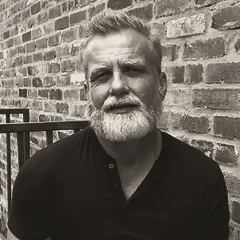
An Intervou with Sreejith Mohanan
In Conversation
The complete interview
A lightly edited transcript of Sreejith Mohanan's Intervou video interview.
How do you inspire and motivate teams during periods of uncertainty or change?
During uncertain times, I've learned that people don't expect leaders to have everything figured out. What they really want is honesty. So I focus on being very clear about three things: what we know, what we don't know yet, and what direction we are moving in together. Even that level of transparency reduces a lot of anxiety.
I also try to break big, overwhelming change into smaller, achievable steps. When things feel uncertain, progress - even small wins - gives people a lot of confidence and momentum. And just as important, I listen. I create space for questions, concerns, even doubts. Change affects everyone differently, and when people feel heard and trusted, motivation follows naturally.
For me, leadership during uncertainty is about presence: showing up consistently, being transparent, and reminding the team that we are navigating the change together and not alone.
How do you approach balancing short-term results with long-term goals?
I don't see short-term and long-term goals as opposites. I see the short-term results as things that should support where you want to go on the long term, not pull you away from it. So I focus on actions that create immediate value without creating future problems. That might mean hiring thoughtfully instead of rushing, putting simple but scalable processes in place early, or making decisions based on data rather than urgency alone.
I also believe strongly in learning fast. If something helps us move forward and gives us insight, it's usually worth doing, as long as we pause, reflect and adjust. I regularly ask myself: is this helping us scale, or just helping us survive this week? That question helps me move fast, but not blindly - with utmost clarity.
What do you believe is the most misunderstood aspect of your industry by the public?
This is the most misunderstood aspect of the HR industry, or talent acquisition to be precise. My friends, my colleagues and my family, a lot of people think that recruitment is just about filling roles quickly. In reality it's much deeper than that. Good recruitment is about judgment, decision making and understanding people - not just the skills but motivation, values and long-term fit. One hiring decision can shape a team's culture and performance for years.
Most of the real work happens behind the scenes: asking the right questions, reading between the lines, and knowing when not to move forward. When hiring is rushed, the cost shows up later in terms of attrition, disengagement or poor performance. Recruitment is just not about speed alone. It's about making the right decision at the right time.
Looking back, what would you tell your younger self starting out in this profession?
I would tell myself to slow down and trust the process. Earlier in my career, I was very focused on speed, proving myself, delivering fast results and trying to have all the answers. I thought faster always meant better.
Over time, with maturity and working with good mentors and different teams globally, I learned that quality, relationships and integrity matter far more. Taking the time to really understand people always pays off, even if it takes a little longer.
I would also remind myself that it's okay not to know everything. Curiosity, empathy and consistency will take you much further than trying to be perfect. That shift in mindset changed how I work and also how I lead.
If you could change one thing about how your industry operates, what would it be?
I would shift the focus from volume to value. Fewer interviews, clear expectations, more respect for candidates' time. Hiring shouldn't feel transactional or exhausting. When assessment is thoughtful and communication is honest, even when the answer is no, both companies and candidates make better decisions.
If you focus less on activity metrics and more on quality outcomes, hiring would feel far more human and sustainable. And it doesn't have to sound like AI is taking over jobs or controlling recruitment or changing the industry. We should embrace change, and that's the kind of experience I try to create every time.
More Interviews